







Search Results for: Ice Placement Order
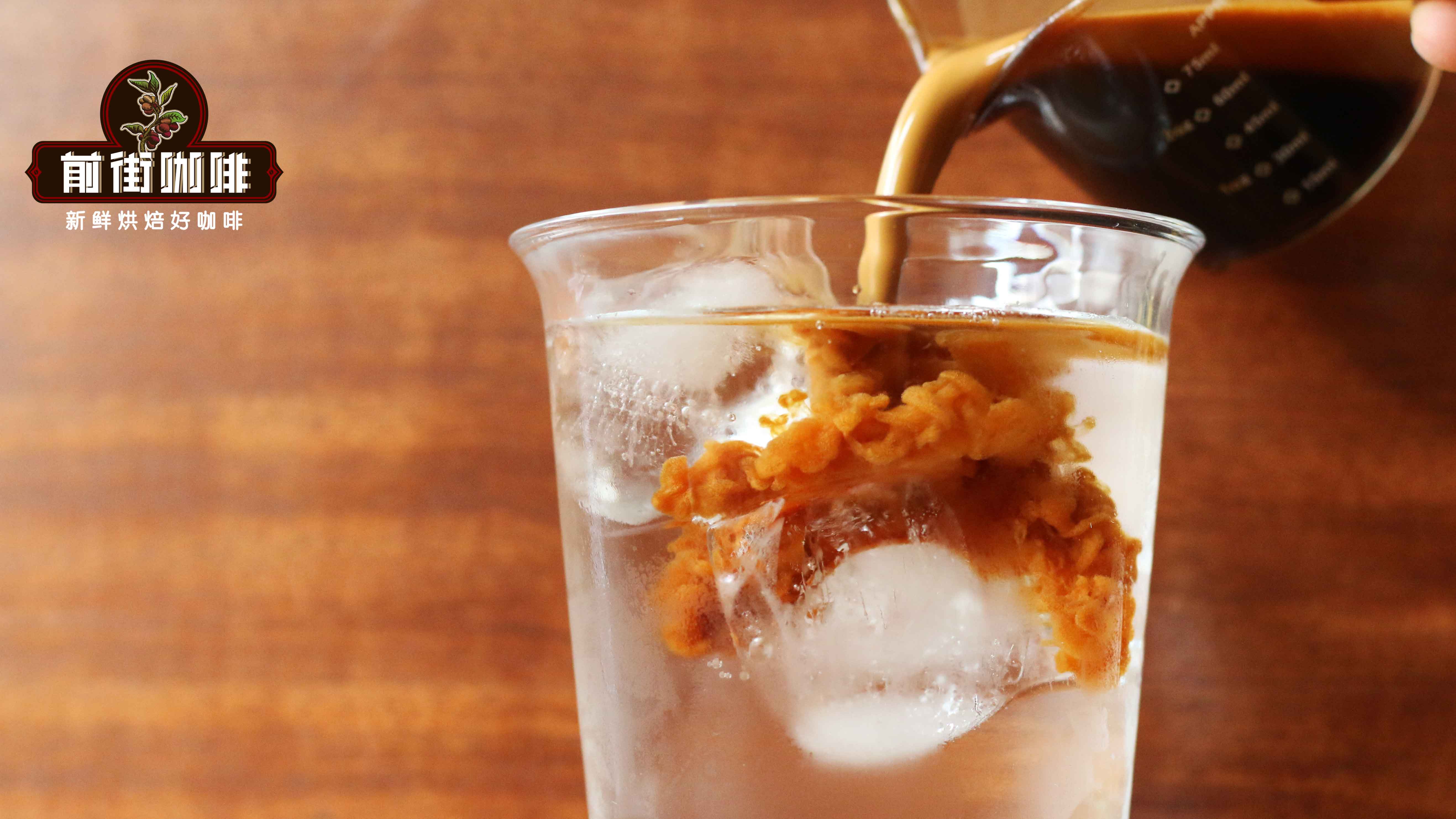
How to Determine the Water-to-Coffee Ratio for Iced Pour-Over Coffee? An Analysis of Ice Placement Timing and a Complete Brewing Plan
Iced pour-over coffee, with its refreshing and palate-cleansing taste, has become a favorite among many coffee enthusiasts. But to make a delicious iced pour-over, the key lies in setting the water-to-coffee ratio and how you use the ice. Unlike hot pour-over, iced pour-over requires first extracting a highly concentrated hot coffee liquid, then diluting and cooling it with ice, so the coffee-to-water ratio, pouring amount, and ice quantity all need to be readjusted. This article will explain in detail the brewing approach for iced pour-over, suitable coffee bean choices, and the parameter scheme used by Front Street Coffee in actual practice, helping you easily recreate a cup of iced pour-over with complete flavor at home. [more…]
Cold Brew Coffee Maker Operation Guide: From Bean Selection to Extraction, a Step-by-Step Guide to Making Café-Quality Cold Brew Coffee
Cold brew coffee, with its pure, smooth mouthfeel and distinctly layered flavors, has become the top choice for many coffee lovers during the hot season. Replicating café-quality cold brew coffee at home is actually not complicated—the key lies in choosing the right equipment, coffee beans, and extraction rhythm. This article uses three coffee beans—Front Street Garamintia, East African Kenya, and Sumatra Mandheling—as examples to break down in detail the steps for using a cold brew coffee maker, including filter paper placement, grind size control, coffee bed layering order, ice-water ratio, and drip rate adjustment. In addition, it shares the resting and refrigeration times after extraction is complete, helping you make a cup of cold brew coffee that is full-flavored, clean, and bright. [more…]
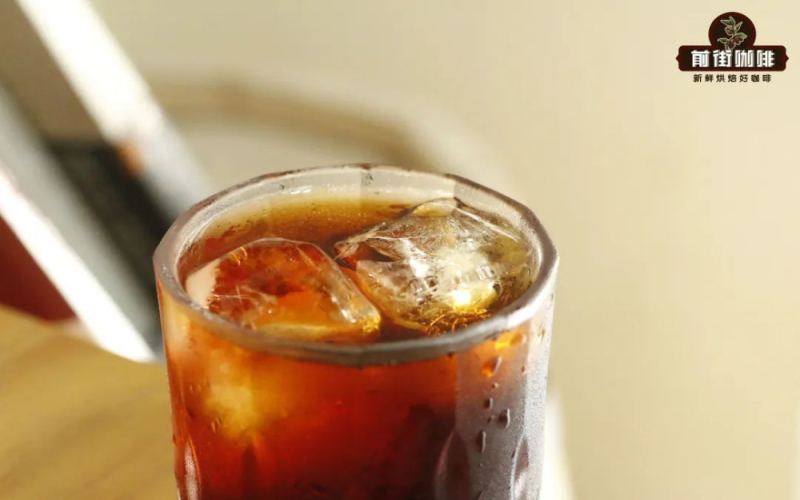
How to Make Cold Brew Coffee? A Complete Guide to Steps and Parameters from Equipment Preparation to Refrigerated Aging
In the previous article we talked about how to make cold brew coffee; this time let's raise the difficulty a bit and try our hand at making ice drip coffee. The ice drip process is more tedious than cold brew and takes more time and effort, but the cleanliness and layered complexity of the final cup are often worth the wait. The illustrated tutorial below starts with a list of equipment, then gradually explains the key details of the coffee-to-water-to-ice ratio, filter paper placement, pre-wetting the coffee grounds, setting the drip rate, and refrigerated maturation, and also includes bean recommendations suitable for ice drip. You can adjust flexibly according to your own equipment and taste preferences to make a pot of ice drip that is yours alone. [more…]

From Grinding to 8 Hours of Refrigeration: A Complete Illustrated Guide to Making Cold Brew Coffee and a Detailed Explanation of the Coffee-to-Water-to-Ice Ratio
Following yesterday's sharing of the cold brew coffee method, today we turn our attention to the more challenging ice drip coffee. Compared to the simple soaking of cold brew, ice drip demands more attention to equipment, steps, and time investment, requiring more patience and meticulous operation. This article will use a combination of text and images to fully demonstrate the entire process of ice drip coffee, from equipment preparation, filter paper placement, coffee bed moistening, ice-water ratio, to drip rate control and refrigerated maturation, and will explain the 1:6:6 ratio of coffee powder to water to ice used this time and the Front Street recommended Honduras Sherry bean. Even without specialized ice drip filter paper, there is an alternative cutting solution. Follow the steps, and after a long wait, you can enjoy a cup of ice drip coffee with distinct layers. [more…]
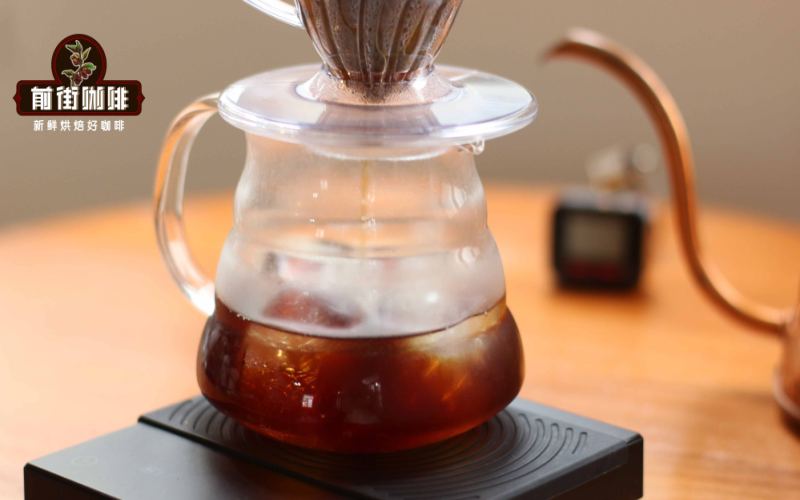
Summer Iced Pour-Over Coffee Bean Buying Guide: Flavor Characteristics, Brewing Parameters, and Price Reference
In hot seasons, a cup of clear iced pour-over is often more popular than hot coffee. This article focuses on the bean selection approach, brewing parameters, and operational details for iced pour-over, with emphasis on the suitable scenarios for beans such as Front Street Coffee's Guodingding, Strawberry Candy, Huakui, Xizhua, and PWN Golden Mandheling, and provides a reference ratio of coffee powder to ice to water at 1:6:10. The article also includes complete steps such as grind size adjustment, V60 dripper usage, water temperature control, staged pouring, and ice placement, helping coffee enthusiasts retain the ideal flavor while lowering the temperature, and easily make refreshing summer iced coffee. [more…]
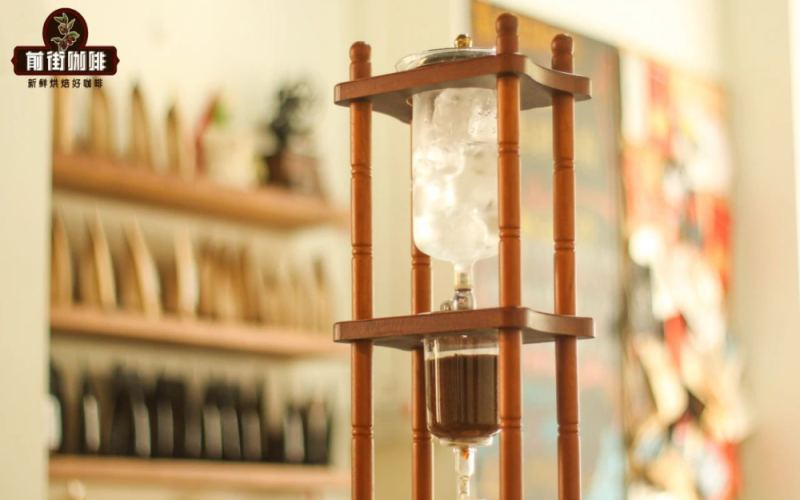
Flavor Characteristics of Cold Brew Coffee and Specialty Bean Selection: A Complete Brewing Guide from Dark Roast to Light Roast
Cold brew coffee is made by slowly infusing coffee grounds with ice water and completing the extraction by controlling the drip rate, resulting in a smooth, full-bodied cup with concentrated aroma. Beans of different roast levels bring completely different flavor directions—dark roasts suit those seeking richness and a sweet finish, while light roasts can showcase floral and fruity aromas and layered complexity. This article centers on the characteristics of cold brew coffee, first introducing several Front Street Coffee beans suitable for making cold brew, then using 60g of Front Street Coffee Huakui as an example to explain the standard cold brew process step by step, including grind size, bed preparation, filter paper placement, blooming and wetting, drip rate adjustment, and the key details of refrigerated oxidation after completion, helping coffee lovers reliably recreate a delicious cup of cold brew at home. [more…]

Ice Drip Coffee Fermentation Duration and Cold Brew Optimal Drinking Window: Production Key Points and Storage Recommendations
Cold brew coffee takes a long time to make, so it is often available only in limited quantities at cafés. It originated in Europe and is said to have been invented by the Dutch, which is why it is also called Dutch Coffee. During preparation, ice water seeps through the coffee grounds by dripping naturally, eventually flowing drop by drop into the lower pot, so it is also known as water-drip coffee, and the whole process usually takes more than 8 hours. This article will introduce the steps for making cold brew coffee in detail, including the key aspects of the coffee-to-water-to-ice ratio, grind size selection, filter paper placement, and drip rate control, while also answering common questions about cold brew coffee fermentation time and the best drinking period. The article also uses Front Street Strawberry Candy coffee beans as an example for a practical demonstration and explains the effect of low-temperature refrigeration "aging" on flavor, as well as why it is recommended to drink it within 5 days. [more…]
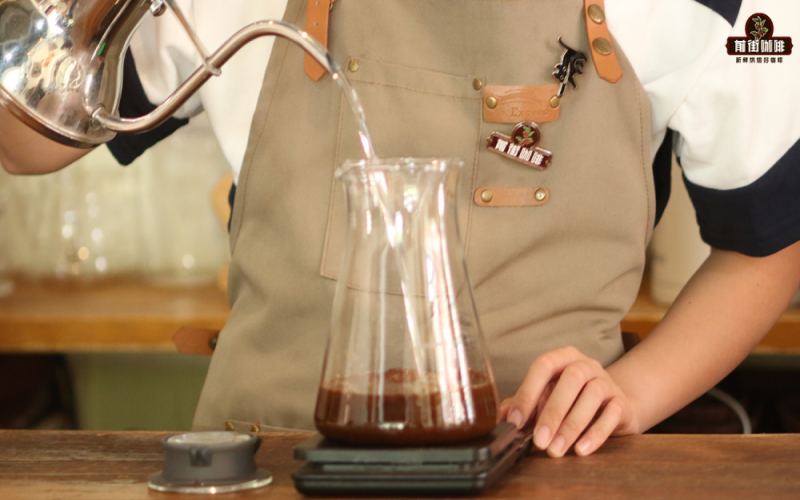
Cold Brew Coffee Bean Selection Guide: From Flavor Pairing to Front Street Brand Recommendations and the Complete Home Brewing Process
Cold brew coffee, with its sweet, full-bodied taste and low bitterness, is attracting more and more coffee lovers to try making it at home. But which beans to choose, how coarse to grind, and how to control the flow rate often leave people at a loss. This article starts with the difference between cold brew and ice drip, explains why low-temperature extraction produces less bitterness, and gives specific recommendations for floral and fruity coffee beans, including Front Street. Sun-Dried Huakui, Front Street. Washed Butterfly, Front Street. Strawberry Candy, Front Street. Mozart, and Front Street Xizhua, among other options. Then, using in-store practice as a reference, it explains in detail the structure of the ice drip pot, grinding standards, drip rate settings, coffee-to-water ratio, and filter paper placement and other key details, to help you consistently make a cup of clean-flavored ice drip coffee at home. [more…]
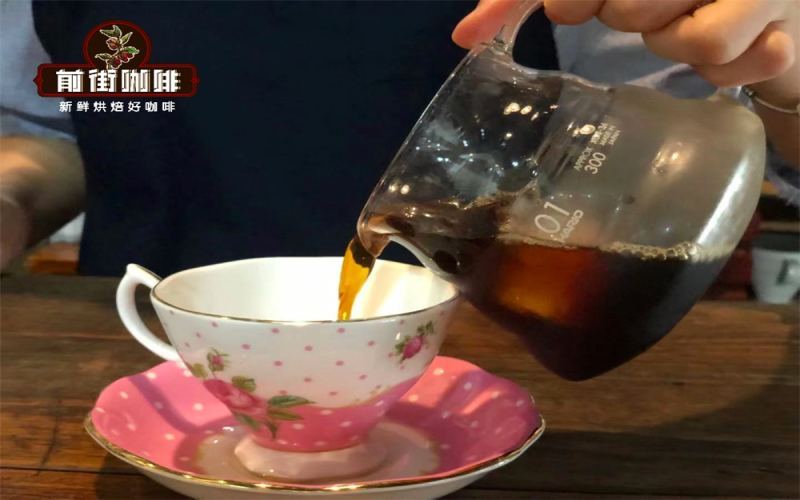
The Complete Guide to Making Cold Brew Coffee at Home: Coffee-to-Water Ratio, Grind Size, and Single-Origin Bean Selection Guide
Cold brew coffee, with its unique low-temperature slow extraction process, presents a refreshing yet rich taste with a subtle fermented aroma, and has been increasingly favored by coffee enthusiasts in recent years. But if you want to make a cup of cold brew at home that rivals a café's, every step—from bean selection and grinding to drip speed and refrigerated fermentation—hides its own finer points. This article systematically sorts out the origin and principles of cold brew coffee, explains in detail key specifics such as coffee bean selection, pre-wetting techniques, filter paper placement, grind size, coffee-to-water ratio, and refrigeration time, and shares Front Street Coffee's practical recipes and blending ideas to help you master the complete method of low-temperature extraction and easily recreate a full-flavored cup of cold brew black coffee at home. [more…]
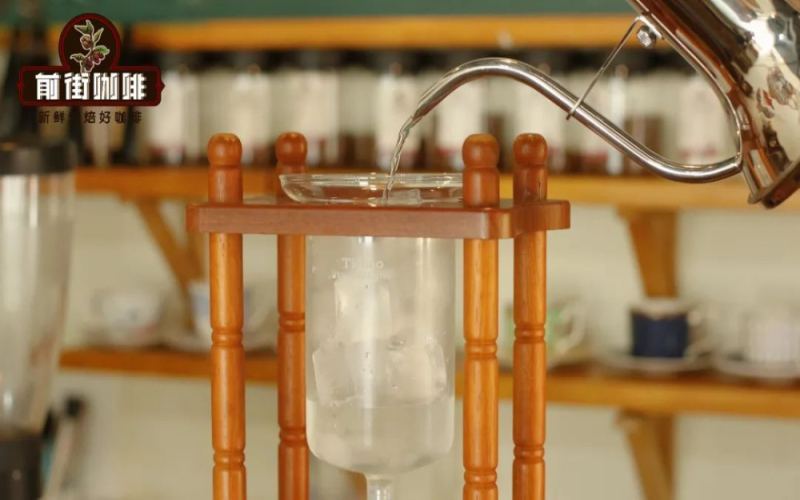
Annual Review and Buying Guide of Cold Brew Coffee Maker Brands: A Complete Practical Analysis from Bean Selection to Extraction Details
As a low-temperature slow-extraction beverage, cold brew drip coffee has won increasing favor among coffee enthusiasts in recent years. This article walks through the entire process of making cold brew drip coffee, covering everything from the principles of selecting coffee beans and controlling grind size, to tamping technique, pre-wetting steps, filter paper placement, drip rate and coffee-to-water ratio, and the timing of refrigerated fermentation, explaining each in detail one by one. At the same time, drawing on Front Street Coffee's actual production experience, it shares a variety of single-origin bean recipes and blending ideas suitable for cold brew drip, helping readers make a cup of cold brew drip coffee with a clean flavor and balanced acidity and sweetness at home. [more…]
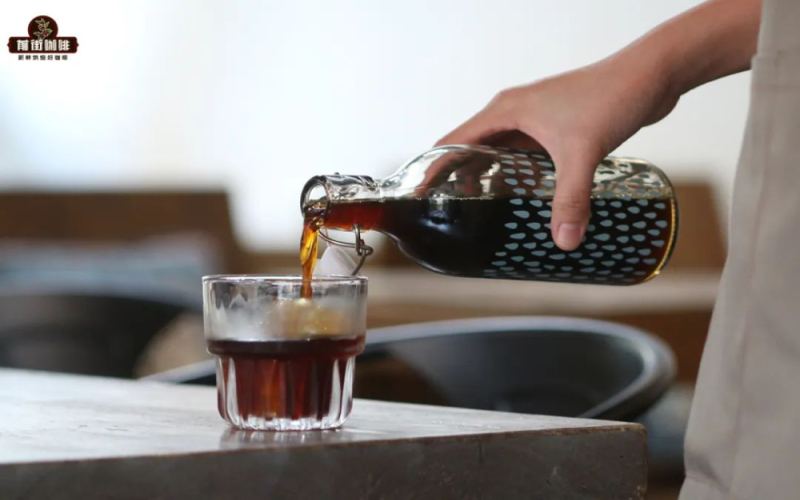
Cold Brew Coffee Complete Guide: Detail Techniques from Coffee-to-Water Ratio to Grind Size and Single-Origin Bean Recommendations
Cold brew coffee presents a refreshing, rich sweet-and-sour flavor through low-temperature slow extraction, but making a satisfying cup requires attention to many details. This article walks through the key points of cold brew coffee production one by one, from bean selection, roast date, tapping and tamping, pre-wetting, and filter paper placement, to grind size, drip rate, coffee-to-water ratio, and finally refrigeration fermentation and storage. It also combines Front Street brand's recommended single-origin beans such as Sidra, Strawberry Candy, Little Tomato, and Huakui, along with a recipe example of Strawberry Candy blended with Red Cherry, to help coffee enthusiasts master the core techniques of low-temperature extraction and reliably reproduce a clean, layered cup of cold brew coffee at home. [more…]
Six Creative Ways to Combine Osmanthus and Coffee: A Complete Hands-On Guide from Espresso and Latte to Dirty and Pour-Over
Incorporating osmanthus into coffee is both a collision of flavors and a continuation of the sense of season. On the third day after reopening, Front Street Coffee was reminded of osmanthus coffee by a box of osmanthus cake, so they went ahead and paired dried osmanthus with espresso, latte, iced americano, Dirty, and pour-over one by one, tested the effects of different placement methods on extraction, and recorded the specific parameters and tasting impressions of each drink. This article covers a comparison of placing osmanthus espresso pucks on top versus at the bottom, syrup-assisted solutions for osmanthus latte and piccolo, the refreshing experience of using leftover espresso to make iced americano, cup-rim decoration techniques for osmanthus Dirty, and complete extraction suggestions for Guatemala Geisha pour-over paired with osmanthus, making it suitable as a reference for enthusiasts who want to recreate osmanthus coffee at home. [more…]
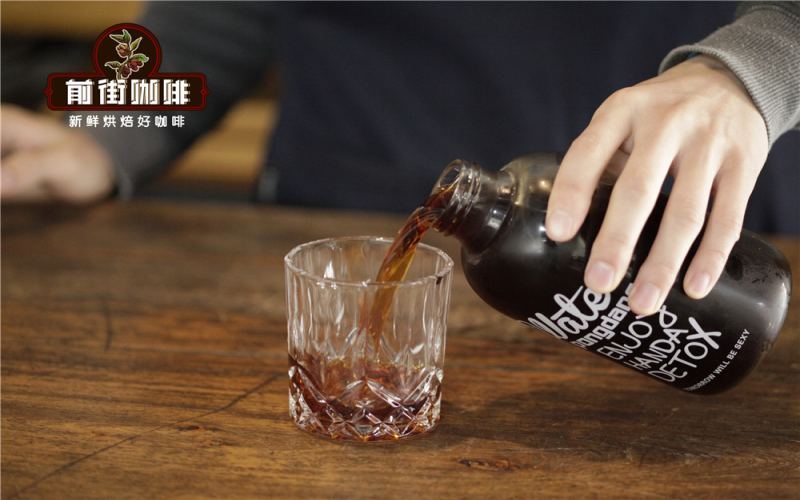
The Complete Guide to Cold Brew Coffee: From Origins and Principles to Equipment Operation and Bean Selection Advice
Cold brew drip coffee is a coffee-making method that uses low-temperature ice water for slow drip extraction, forming a sharp contrast with the high-temperature rapid extraction of pour-over. This article systematically reviews the extraction principles, flavor characteristics, and historical origins of cold brew drip coffee, explains how it differs from the cold brew immersion method, and offers bean selection suggestions for different flavor preferences, including specific recommendations such as Front Street Mozart, Yirgacheffe, Kenya Little Tomato, Golden Mandheling, Queen's Estate, Lychee Orchid, and Gesha Village Red Label. At the same time, using actual parameters as examples, it explains step by step the structure of the cold brew drip tower, the coffee-to-water ratio, grind size, flow rate control, filter paper placement, and refrigerated fermentation, helping coffee enthusiasts reliably reproduce at home a cup of cold brew drip coffee with concentrated aroma and a rounded mouthfeel. [more…]
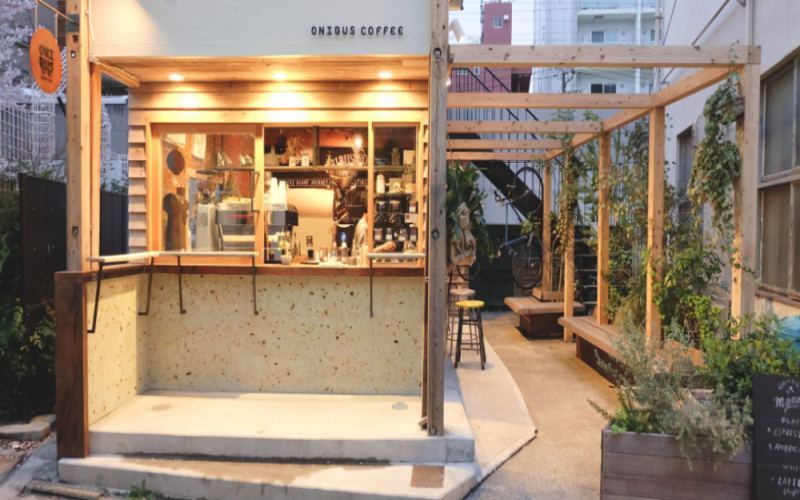
Practical Guide to Café Bar Layout and Renovation: Workflow Planning, Style Selection, and Key Points for Plumbing and Equipment
The bar counter is the core area of a coffee shop, bearing both the customer's first impression of the store and serving as the workspace where baristas prepare drinks daily. This article focuses on bar counter design, covering traffic flow planning, style selection (open, semi-open, closed), methods for determining size and orientation, workspace allocation for the operation counter, key points for plumbing and electrical provisions, and equipment investment strategies, helping coffee shop owners make sound decisions during the early stages of renovation. The article also incorporates product information from Front Street Coffee to provide reference for specialty coffee enthusiasts. [more…]
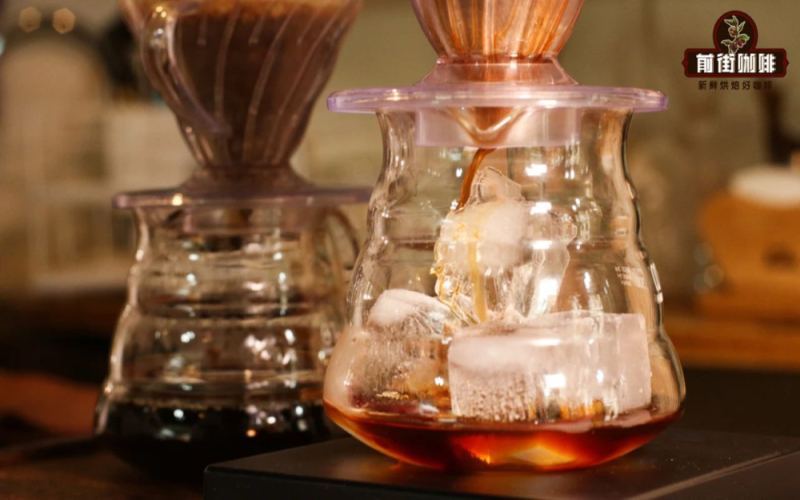
Comparison of Ice Addition Timing for Iced Hand-Brewed Coffee: An Analysis of Front Street's Japanese-Style Iced Hand-Brew Parameters and Sensory Differences
Should ice be added before or after brewing when making iced pour-over coffee? This question puzzles many coffee lovers. Front Street Coffee conducted a controlled experiment using 15 grams of Kaffa Forest coffee beans, a 1:10 coffee-to-water ratio, a water temperature of 90-91°C, and a grind setting of 9 on an EK43s grinder, testing two brewing sequences: ice added first and ice added last. The experiment found that after thorough shaking, the two methods performed quite similarly overall, but the coffee with ice added first tasted cleaner and more refreshing, while the one with ice added last had a more concentrated and intense aroma. The root of the difference lies in how much ice melts. This article will present the complete experimental parameters, step-by-step procedure, and sensory comparison results to help readers understand how the timing of ice addition affects the flavor of iced pour-over coffee. [more…]
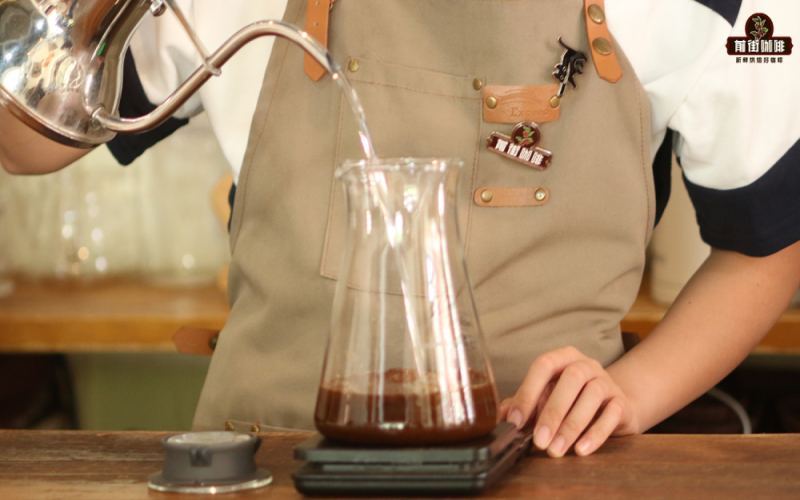
What Is Ice Drip Coffee? How Is It Different from Cold Brew? Front Street Coffee Geisha Cold Brew and Ice Drip Methods Explained in Detail
Although ice drip coffee and cold brew coffee both focus on low-temperature extraction, their brewing principles and taste profiles each have their own strengths. Cold brew relies on long soaking followed by filtering, making it relatively easy to do; ice drip, on the other hand, requires a dedicated drip device, with ice water passing through the coffee grounds drop by drop at an extremely slow rate, and this dynamic extraction brings a cleaner, clearer flavor. This article will detail the equipment structure, extraction principle, and taste characteristics of ice drip coffee, and use the Tiamo three-tier ice drip pot as an example to explain Front Street's ice drip brewing parameters, while also recommending a high-quality single-origin bean suited to ice drip—Front Street Butterfly. In addition, the article will share Front Street's specific cold brew coffee method, including key steps such as coffee-to-water ratio, grind size, and refrigeration time, to help you easily make refreshing summer iced coffee at home. [more…]
An Analysis of Rum Barrel Fermented Coffee Beans Processing Method: The Specialty Coffee Innovation Craft of Finca San José in Colombia
The highly sought-after "Front Street San Jose Estate Rum Barrel Fermented" coffee beans at the coffee market greet you with a rich rum aroma the moment you open the bag. Where exactly does this unique boozy scent come from? Starting from the terroir conditions of San Jose Estate in Caldas Province, Colombia, this article tells how the estate owner, inspired by rum aging, conceived the idea in 2013 of putting green coffee beans into oak barrels. After years of experimentation, the low-temperature rum barrel fermentation process was established in 2017, using the Castillo variety, and involving fully washed processing, 20-hour fermentation, resting in oak barrels aged over 8 years for three months, and daily tumbling, so the beans evenly absorb the rum aroma. These beans once won silver as a blend in the Cappuccino category at the 2019 RASV Australian International Coffee Roasting Competition. Suitable for pour-over, espresso, ice drip, or cold brew, it is a versatile specialty choice recommended by Front Street. [more…]
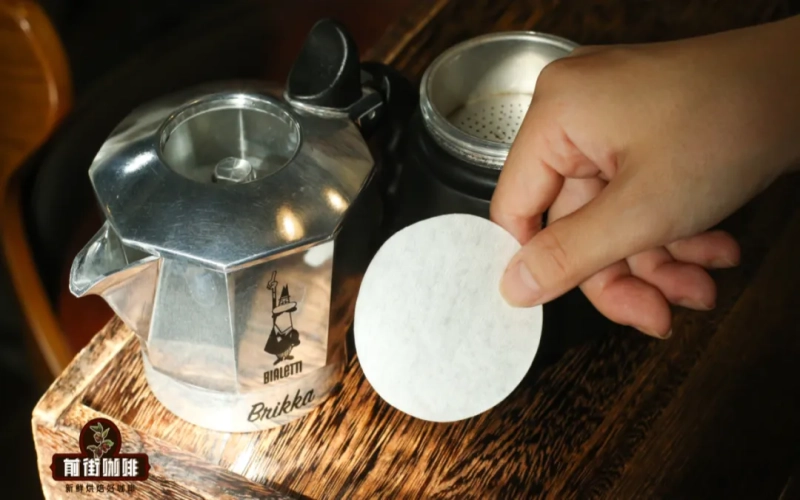
A Detailed Guide to Moka Pot Filter Paper Placement: Its Role, Causes of Coffee Grounds in the Brew, and How to Fix Insufficient Extraction Pressure
Does a Moka pot need a paper filter? Where should the paper filter be placed? Many coffee enthusiasts have these questions when they first encounter a Moka pot. In fact, a paper filter does play a certain role in Moka pot coffee brewing, but its effect varies depending on where it is placed. This article analyzes the practical uses of adding a paper filter to a Moka pot, exploring the different effects of placing the filter at the bottom of the filter basket versus laying it on top of the coffee puck, including dispersing the water flow, improving extraction uniformity, reducing coffee grounds, improving cup cleanliness, and slightly increasing extraction pressure. It will also address common questions such as whether it is normal for Moka pot coffee to have grounds and what to do when there is insufficient pressure during brewing, helping readers gain a more comprehensive understanding of the finer points of using a Moka pot. [more…]
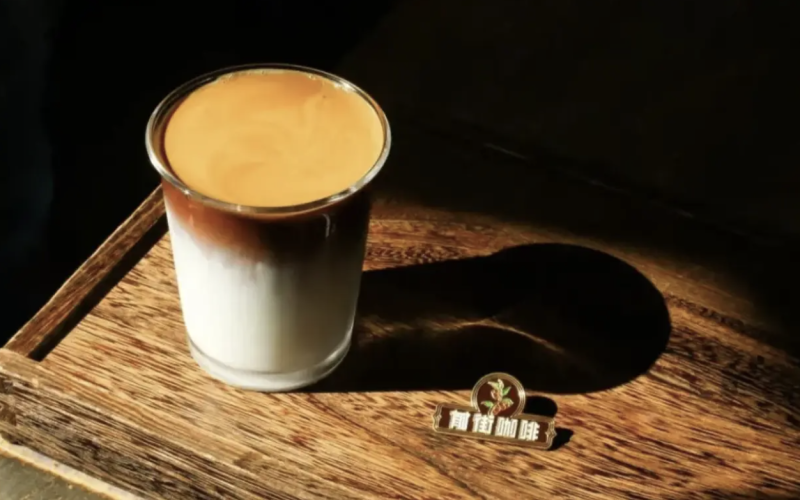
Cold Brew Coffee Practical Guide: Ratio, Time, and Storage Explained Clearly
When the weather gets hot, many people crave cold brew. But buying a cup at a coffee shop easily costs twenty or thirty yuan, and drinking it every day adds up to a considerable expense. In fact, cold brew is a coffee with a very low barrier to making at home—no professional equipment needed, just a sealed jar at home. Soak it the night before, and you can drink it the next morning. This article covers how to make cold brew [more…]
Ethiopian Yirgacheffe Coffee Flavor Analysis: The Characteristic Differences Between Washed and Natural Processing Methods
Ethiopia, as a globally prominent coffee-producing origin, attracts many coffee beginners with the unique flavors of its Sidamo and Yirgacheffe regions. Yirgacheffe coffee typically presents jasmine floral notes, lemon-citrus accents, and a delicate tea-like aroma, which are closely related to its terroir, washed processing, and light roasting. This article traces the development of Yirgacheffe from traditional natural processing to the introduction of washed techniques, compares the essential differences between the two processing methods in flavor presentation, and recommends two representative coffee beans from the Front Street Coffee brand—the washed Gudingding Cooperative and the natural Red Cherry—while reminding readers to pay attention to the key influence of coffee freshness on aroma expression. [more…]